

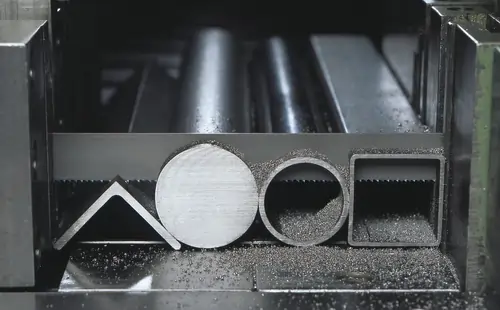
Metal Cutting bandsaw blades
Our metal cutting bandsaw blades are designed for cutting steel, stainless steel, and other ferrous metals across a wide range of applications. Selecting the correct bandsaw blade for metal depends on the material type, section size, and cutting requirements. United Products supplies premium European M42 cobalt bi-metal and carbide metal cutting bandsaw blades, custom welded to length and optimised for reliable performance in New Zealand engineering workshops and industrial fabrication environments.
If you are primarily cutting steel, view our full range of bandsaw blades for steel.
Full guide
Metal Cutting Bandsaw Blades in New Zealand – Choosing the Right Blade for Steel
Metal cutting applications range from light-duty hobby cutting through to heavy industrial sawing using premium M42 cobalt bi-metal and TCT bandsaw blades.
Some recommended Bandsaw Blade Types for metal cutting
Choosing the correct metal cutting bandsaw blade depends on the material type, section size, machine capability, and production requirements.
Our FAQ contains lots of articles on Choosing TPI and blade type.
If using a premium M42 cobalt bi-metal blade such as the Håkansson Allpower range, proper blade break-in is essential for maximum blade life and cutting performance.
If trying to use a wood bandsaw to cut steel please read Can You Cut Metal on a Wood Bandsaw?
-

Bi-metal Bandsaw Blade 13mm x 0.6mm (.025″) x 14/18 tpi
View Product$28.90 Excluding GST Price per metre -

Bi-metal Bandsaw Blade 20mm x 0.9mm (.035″) x 10/14 tpi
View Product$28.90 Excluding GST Price per metre -
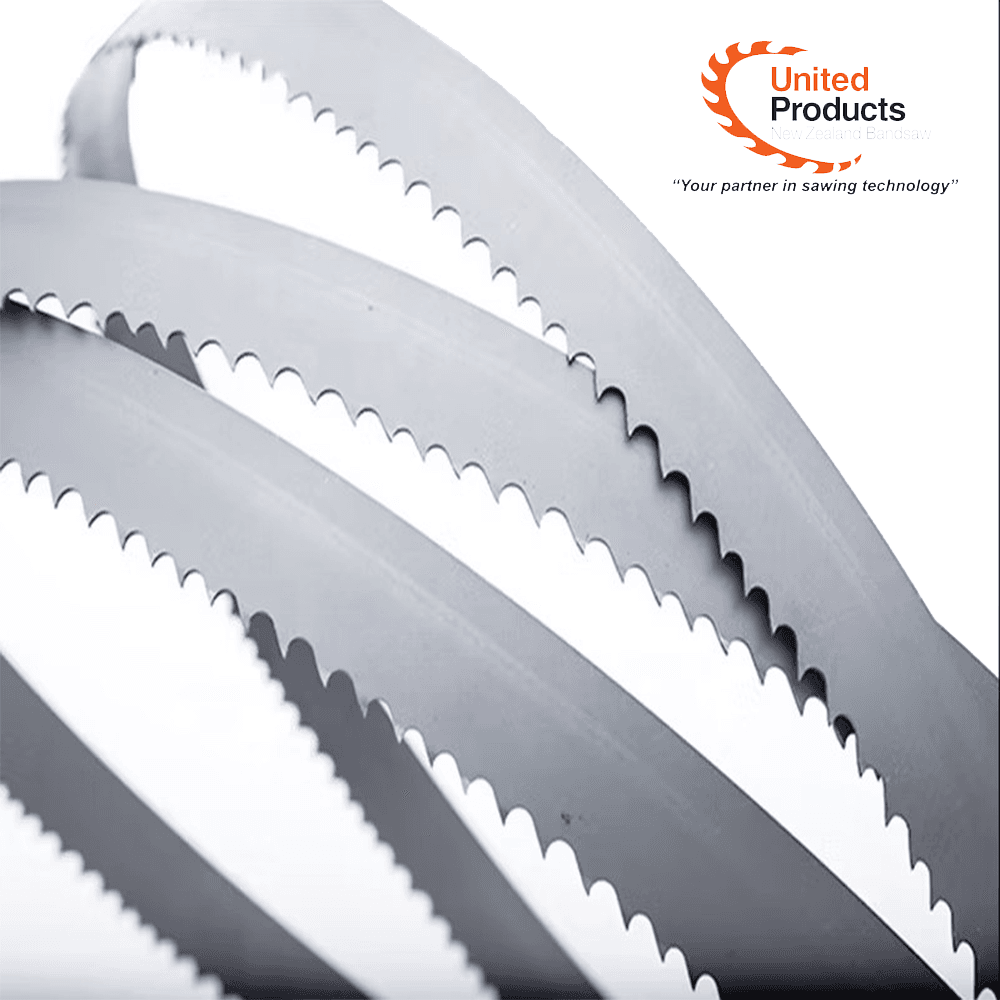
Bi-metal Bandsaw Blade 20mm x 0.9mm (.035″) x 8/12 tpi
View Product$28.90 Excluding GST Price per metre -
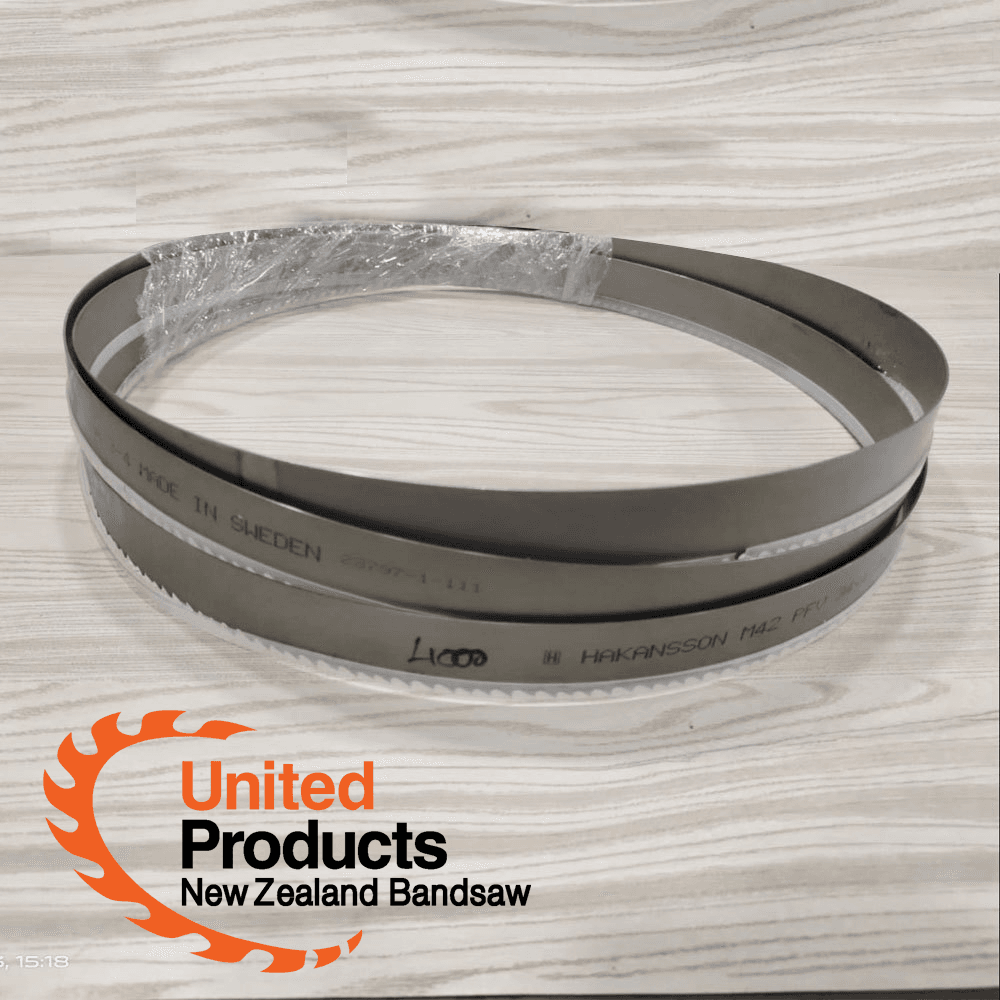
Bi-metal Bandsaw Blade 27mm x 0.9mm (.035″) x 10/14 tpi
View Product$29.30 Excluding GST Price per metre -
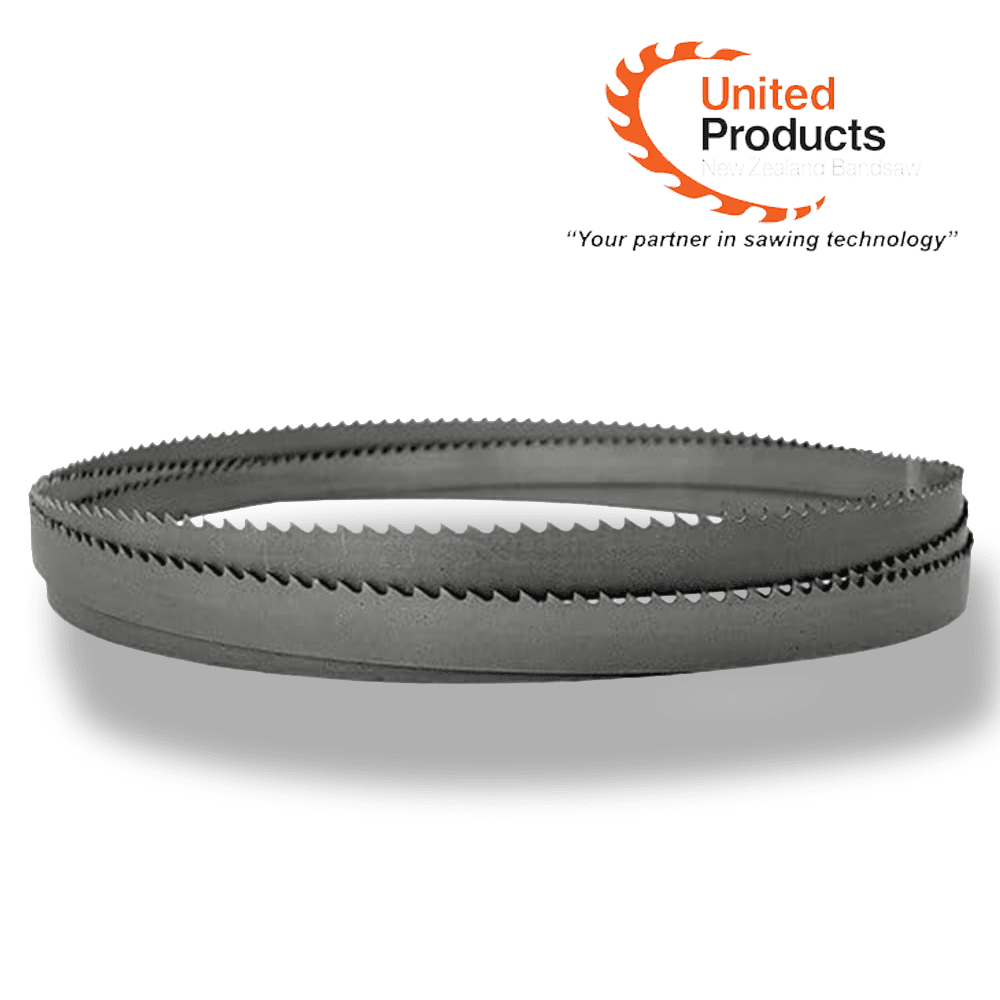
Bi-metal Bandsaw Blade 27mm x 0.9mm (.035″) x 10 tpi
View Product$29.30 Excluding GST Price per metre -

Structural Steel Cutting bi-metal Bandsaw Blade 27mm x 0.9mm (.035″) x 4/6 tpi
View Product$29.55 Excluding GST Price per metre -
Tungsten Carbide Tip Futura SN 27mm x 3/4 tpi
View Product$149.90 Excluding GST Price per metre
To cut Non-ferrous metals
To cut Non-ferrous metals (these are metals that do not contain iron) and softer than Ferrous Metals.
You can use a carbon blade or a hobby blade in a fine tpi. 10 or 14 tpi for thin material down to a few millimeters, or a courser blade (less TPI)for thicker material. Generally any courser than 8 tpi is not recommended. Cutting metals thicker than 10 mm is very hard on the life of carbon blades.
Band sawing Ferrous Metals ( Mild Steel and Harder)
Band sawing ferrous metals or thicker non-ferrous materials over approximately 10–15mm is best performed using a premium M42 cobalt bi-metal blade. and it will be required for any ferrous metals ( mild steel and above). TCT (Tungsten Carbide Tipped) blades are recommended for hardened steels and difficult-to-machine materials where standard M42 cobalt bi-metal blades may struggle.
How to select a bandsaw blade for cutting any metal other than Non-ferrous. Ideally you will have a horizontal machine that can run coolant.
Cutting metal is a much more complicated scenario than cutting wood.
Generally home users on vertical Bandsaw designed for wood will have only average success due to 3 main areas of concern
- The machine will run too fast as cutting wood requires higher speeds. Just like on the battery drill you use high speed to drill in to wood and slow it down to drill into steel. The teeth of the saw blade need time to bite into the steel. Or they will just skid across the top and blunting themselves. Horizontal saws designed for steel will have greater speed and feed control to ensure optimum cutting.
- Wood cutting bandsaw speeds are typically 8–10 times faster than the correct blade speed required for cutting steel and other ferrous metals.
- Excessive blade speed generates heat that rapidly damages the cutting edge, particularly when cutting steel or stainless steel.
- Being vertical it is difficult to use coolant without creating a mess. A horizontal metal cutting saw has a spray for coolant and a drip tray to catch filter and recycle it. – Spraying your vertical blade with CRC or WD40 can help but is no solution for heavy cutting.
Here is a rundown on cutting steel with a wood bandsaw Can You Cut Metal on a Wood Bandsaw?
These problems aside, whether or not you have a horizontal metal cutting bandsaw the tpi selection is much more important than when cutting wood and is referenced in several articles below.
Before purchasing metal cutting bandsaw blades, we strongly recommend reading the following guides on blade selection, TPI choice, and blade break-in.
Breaking In a Bandsaw Blade: How to Do It Right!
Easy Guide to Selecting Bandsaw Blade TPI (Teeth Per Inch)
Comprehensive Guide to Selecting Bandsaw Blade TPI (Teeth Inch)
👉 Measure your Bandsaw Blade Length
👉 Order a Bandsaw Blade online
👉 All read all our guides
There is also good information within these FAQ sections