

Crooked cuts are one of the most common complaints in metal cutting bandsaw applications.
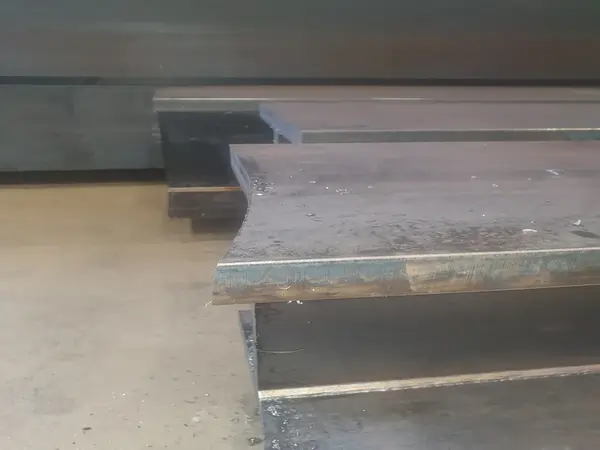
A blade that starts wandering, pulling sideways, or losing square can quickly ruin expensive material and create major frustration in engineering workshops, fabrication environments, and maintenance operations.
Choosing the correct blade specification is critical for accurate cutting performance, especially in engineering workshops and industrial fabrication environments. See our guide on choosing the correct bandsaw blade TPI for metal cutting
In many cases the blade itself is blamed immediately — but crooked cutting is often caused by a combination of:
- Incorrect blade selection
- Wrong TPI
- Blade width too narrow for the job
- Low blade tension
- Worn guides or machine condition
- Excessive feed pressure
- Dull or overloaded teeth
Portable metal cutting bandsaws and smaller workshop saws are especially sensitive to setup issues because they operate with lighter frames, lower tension systems, and narrower blades.
The good news is that most crooked cutting problems are preventable once the real cause is identified.
What Does “Cutting Crooked” Look Like?
Crooked cutting can appear in several ways during metal cutting operations:
- The cut drifts sideways
- The blade no longer holds square
- Material ends up angled instead of straight
- The blade twists during the cut
- Cuts become inconsistent from one piece to the next
- The saw begins pulling to one side
- Accuracy worsens in larger or harder materials
Some operators only notice the problem when cutting:
- Stainless steel
- Large structural steel
- Thick solids
- RHS and tube
- Hard chrome or difficult alloys
In many cases the problem gradually becomes worse as the blade dulls or machine wear increases.
Incorrect TPI Selection
One of the biggest causes of crooked cutting is incorrect tooth pitch selection.
Too Coarse
A blade with too few teeth for the material can become unstable because the teeth bite too aggressively into the steel.
This often causes:
- Grabbing or snatching
- Vibration
- Blade twisting
- Wandering cuts
- Tooth stripping
Thin wall tube and RHS are especially sensitive to coarse TPI selection because the teeth repeatedly enter and leave the material. Variable pitch bandsaw blades are often preferred for structural steel, RHS, and mixed-section cutting because they help reduce vibration and stabilise the cut as tooth engagement changes. Read more about the advantages of variable pitch bandsaw blades.
Too Fine
A blade with too many teeth may rub instead of cut efficiently.
This can cause:
- Chip loading
- Heat build-up
- Reduced penetration
- Blade wandering
- Premature dulling
Correct tooth engagement helps stabilise the blade in the cut and keeps cutting forces balanced.
Incorrect TPI selection is one of the biggest causes of tooth stripping, wandering cuts, and unstable cutting in steel sections.
Read our full guide on choosing the correct TPI for metal cutting bandsaw blades.
For more guidance see our guide on choosing the correct TPI for metal cutting bandsaw blades.
Blade Width Too Narrow
Blade width has a major effect on cutting straightness.
Narrow blades flex more easily during metal cutting, particularly when cutting larger sections or harder materials.
Portable saw users commonly fit narrow blades because they are:
- Cheaper
- Easier to source
- Standard machine fitment
- Easier on smaller wheel diameters
However, wider blades generally track straighter because they provide greater beam strength and resist twisting under load.
This becomes increasingly important when cutting Large RHS, structural steel, and heavy profiles place far greater side pressure on the blade during cutting.
See our guide on structural steel cutting bandsaw blades.
- Structural steel
- Large solids
- Stainless steel
- Heavy RHS and profile
- Production work
A blade that is technically “compatible” with the saw may still be too light for accurate cutting in demanding applications. Combining correct blade width with a variable pitch tooth pattern often improves cut stability and reduces wandering in structural steel applications.
Difficult structural materials may also benefit from stronger blade types such as PM51 or carbide-tipped blades. PM51 blades are designed for tougher industrial metal cutting applications where standard M42 blades may struggle.
See also:
- Structural Steel Cutting Bandsaw Blades – RHS, Tube & Profile Cutting NZ
- PM51 Bi-metal Bandsaw Blade Guide
Low Blade Tension
Insufficient blade tension is another extremely common cause of wandering cuts.
Low tension allows the blade to twist under cutting pressure instead of tracking straight.
This is particularly common on:
- Older workshop saws
- Portable bandsaws
- Worn tension systems
- Machines with inaccurate gauges
- Saws where operators are afraid of overtensioning the blade
Even a premium bandsaw blade will cut poorly if tension is too low.
If the blade can easily deflect sideways during the cut, accuracy will suffer regardless of blade quality.
Worn Guides & Machine Condition
Many “blade problems” are actually machine problems.
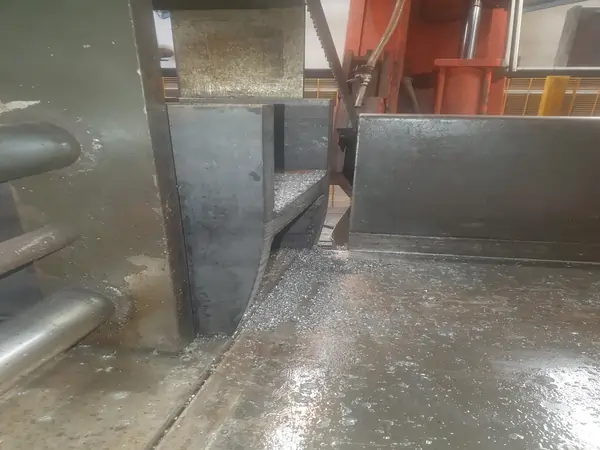
Worn or poorly adjusted guide systems allow the blade to move excessively during cutting.
Common causes include:
- Worn guide bearings
- Loose guide blocks
- Excessive guide arm movement
- Worn vice systems
- Poor wheel alignment
- Damaged wheel flanges
- Loose pivot points on portable saws
A premium blade cannot compensate for a worn-out saw.
Engineering workshops often focus on replacing blades while overlooking basic machine maintenance that directly affects cutting accuracy.
Checking guide condition regularly can dramatically improve blade life and cut quality.
Excessive Feed Pressure
Forcing the blade through the cut is a major cause of crooked cutting.
Too much feed pressure twists the blade sideways and overloads the tooth edge.
Stainless steel is particularly sensitive because excessive pressure can quickly generate heat and work hardening.
See our stainless steel cutting guide for recommended blade selection and cutting techniques.
This commonly occurs when cutting:
- Stainless steel
- Large structural steel
- Heavy solids
- Hard alloys
- Thick-wall tube
Portable saws are particularly vulnerable because operators often apply additional manual pressure to increase cutting speed.
Unfortunately this usually causes:
- Blade wandering
- Tooth damage
- Heat build-up
- Premature dulling
- Reduced accuracy
A bandsaw blade must be allowed to cut at its own rate.
Reducing feed pressure often improves both accuracy and blade life immediately. Excessive pressure can also contribute to work hardening in stainless steels and difficult alloys.
See also:
Hard Materials & Work Hardening
Harder materials place far greater stress on the blade during cutting.
Stainless steels and work hardened materials can:
- Push the blade sideways
- Increase cutting pressure
- Generate excessive heat
- Destabilise the cut
Once work hardening begins, the blade may struggle to penetrate consistently and can begin wandering badly.
Difficult materials often benefit from upgrading blade type rather than repeatedly replacing standard M42 blades.
PM51 and carbide-tipped blades provide:
- Stronger tooth edges
- Better wear resistance
- Improved heat resistance
- Greater cutting stability in difficult alloys
These premium blade types are commonly used in demanding industrial cutting applications where heat and wear resistance are critical.
See also:
- Best Bandsaw Blade for Hydraulic Ram Material & Hard Chrome Rod
- PM51 Bi-metal Bandsaw Blades
- Work Hardening Guide
Blade Quality & Break-In
Blade quality can also affect cutting straightness.
Lower quality blades may lose tooth geometry faster, dull unevenly, or become unstable once the cutting edge wears.
This often appears as:
- Increasing drift during cuts
- Reduced squareness
- More feed pressure required
- Inconsistent tracking
Proper blade break-in is also important.
A new blade pushed too hard immediately can micro-chip the tooth edge, reducing stability and shortening blade life.
Correct break-in helps establish a stronger cutting edge and more stable cutting performance.
See our guide on bandsaw blade break-in procedures.
How to Fix Crooked Cutting
If your bandsaw blade is wandering or cutting inaccurately, check the following:
- Choose the correct TPI for the material
- Increase blade width where possible
- Check blade tension carefully
- Inspect guides, bearings, and vice condition
- Reduce feed pressure
- Secure material properly
- Use variable pitch blades for structural steel
- Upgrade blade type for difficult materials
- Replace badly worn or dull blades before accuracy collapses
Small improvements in setup often make a major difference to cut accuracy.
When to Upgrade to PM51 or Carbide
Some materials simply exceed the practical limits of standard M42 blades.
If crooked cutting continues in difficult materials, upgrading blade type may improve both accuracy and blade life. Premium blade types are often more economical long term in industrial fabrication and production environments because they maintain cutting accuracy longer.
PM51 Advantages
- Stronger tooth edges
- Better wear resistance
- Improved heat resistance
- Greater cutting stability
- Better performance in difficult steels and stainless alloys
Carbide-Tipped Blades
Carbide blades are often used for:
- Production cutting
- Hardened materials
- Difficult stainless grades
- Heavy alloy sections
- Hard chrome and hydraulic ram materials
Although more expensive initially, premium blades can significantly reduce downtime and improve cutting consistency in demanding industrial applications.
See also:
- PM51 Bandsaw Blade Guide
- Carbide Tipped Bandsaw Blade Guide
Conclusion
Crooked cutting is usually preventable.
In most cases the real cause is not simply a “bad blade,” but a combination of:
- Incorrect blade selection
- Poor machine setup
- Low tension
- Excessive feed pressure
- Worn guides
- Incorrect blade width or TPI
A properly matched blade on a well-maintained saw should cut straight consistently across most metal cutting applications. Correct blade selection, machine setup, and troubleshooting procedures can dramatically improve cutting accuracy and blade life in engineering workshops and industrial fabrication environments.
Correct setup, blade selection, and machine condition will almost always deliver better results than repeatedly replacing blades without diagnosing the real problem.
FAQ
Browse our full bandsaw blade troubleshooting and metal cutting guides.